

The human brain is the central engine of overall physical, emotional, and social well-being. However, substance use disorders and unaddressed mental health conditions directly impair neural pathways, executive function, and decision-making capabilities.
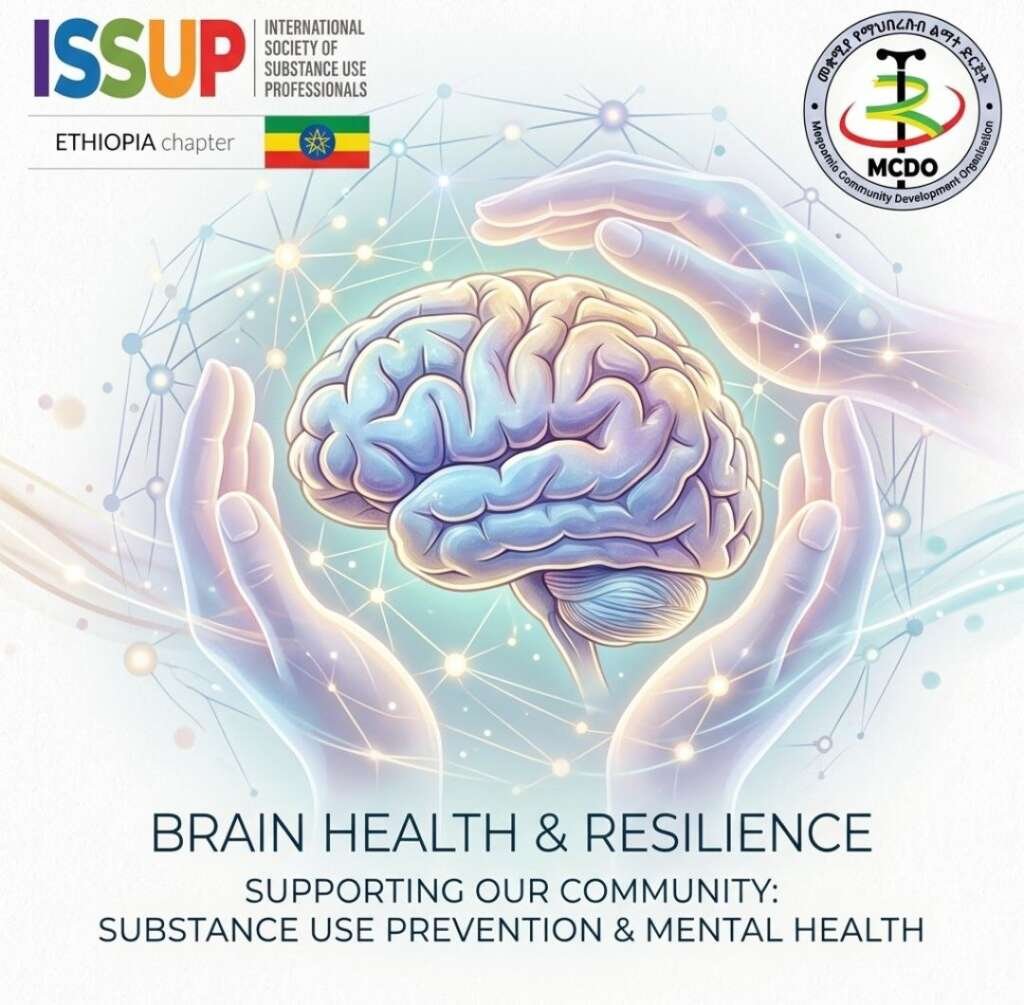
Key Evidence-Based Insights
- Neurochemical Impact: Addiction alters key dopamine pathways within the brain, weakening cognitive control, judgment, and emotional regulation (Source: NIDA).
- Co-Occurring Risks: Individuals experiencing mental health challenges, such as anxiety or depression, face twice the risk of developing a substance use disorder (Source: SAMHSA).
- Prevention Effectiveness: Youth-centered, evidence-based prevention interventions can reduce addiction risk by up to 50% (Source: UNODC/WHO).
Strengthening Local Capacity through Workforce Development
Advancing substance use prevention in Ethiopia requires continuous investment in local expertise. Upgrading professional competencies, expanding the pool of qualified practitioners, and establishing direct linkages with the global evidence-based practice network are critical steps toward building a resilient public health workforce capable of addressing the true scale of substance-related challenges.
Our Collective Responsibility
Sustained progress demands a unified approach. Protecting population health and fostering drug-free communities begins with scaling science-backed prevention strategies, integrated mental health support, and multidisciplinary collaboration across sectors (Source: WHO).
For more institutional updates, policy briefs, and evidence-based practice tools, explore our resources at Meqoamia Community Development Organization (MCDO).