
Adiss Ababa, Ethiopia April 24, 2026, MCDO
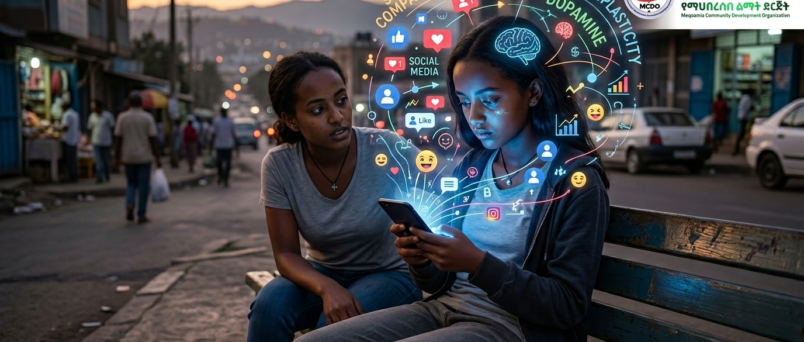
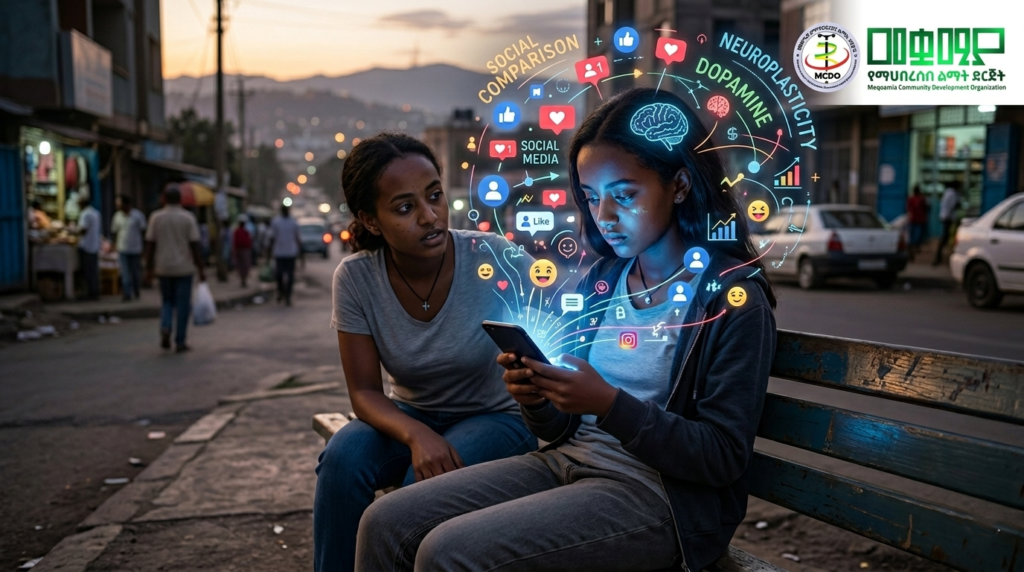
In today’s digital age, social media has become an inseparable part of young people’s daily lives. However, while these platforms offer connectivity, research shows that disproportionate use is having a profound impact on the brain development and mental well-being of the youth.
⚠️ Key Risks and Scientific Insights
1. Brain Development and the Prefrontal Cortex The human brain does not finish developing until the mid-20s. Specifically, the Prefrontal Cortex—the area responsible for decision-making and emotional regulation—is still a “work in progress” during adolescence. Constant social media stimulation triggers high levels of dopamine, making teenagers more susceptible to addiction, anxiety, and impulsive behavior.
2. The Identity Crisis (Social Comparison) Social media is often a highlight reel of “perfect” lives and filtered images. When youth constantly compare their authentic reality to these curated digital personas, they fall into the trap of “Social Comparison.” This often leads to chronic self-doubt, diminished self-esteem, and is a major gateway to depression.
3. Sleep Deprivation and Mental Health Late-night scrolling is more than just a bad habit. The Blue Light emitted from screens inhibits the production of melatonin, the hormone responsible for sleep. According to the American Psychological Association (APA), chronic sleep deprivation is directly linked to cognitive decline, irritability, and severe mental health disorders.
🛡️ Path to Prevention: What Must Be Done?
Protecting the next generation requires a coordinated effort from all sectors of society:
- For Youth: Cultivating Digital Balance Encourage young people to use social media intentionally for education and genuine connection. Practicing “Digital Detox” periods and prioritizing physical exercise and face-to-face social interactions is essential for emotional stability.
- For Parents: Proactive Guidance Parents should not only monitor screen time but also foster an environment of open dialogue. Discussing digital safety and the difference between “online life” and “real life” helps children develop a healthy perspective on technology.
- For Schools: Promoting Digital Literacy Educational institutions must integrate Digital Literacy into their curriculum. Teaching students how to critically analyze online content and understand the psychological tactics of social media algorithms empowers them to make safer choices.

Conclusion A nation is built by its people, and the strength of a person lies in the health of their mind. To build a visionary generation capable of leading Ethiopia’s future, we must prioritize mental health today. By fostering healthy digital habits, we ensure a brighter, more grounded tomorrow.
Sources: American Psychological Association (APA) and various recent Neuroscience studies.
#MentalHealth #YouthEmpowerment #SocialMediaAwareness #DigitalWellbeing #Ethiopia #Mindfulness